The location of Super Mario Bros. 2
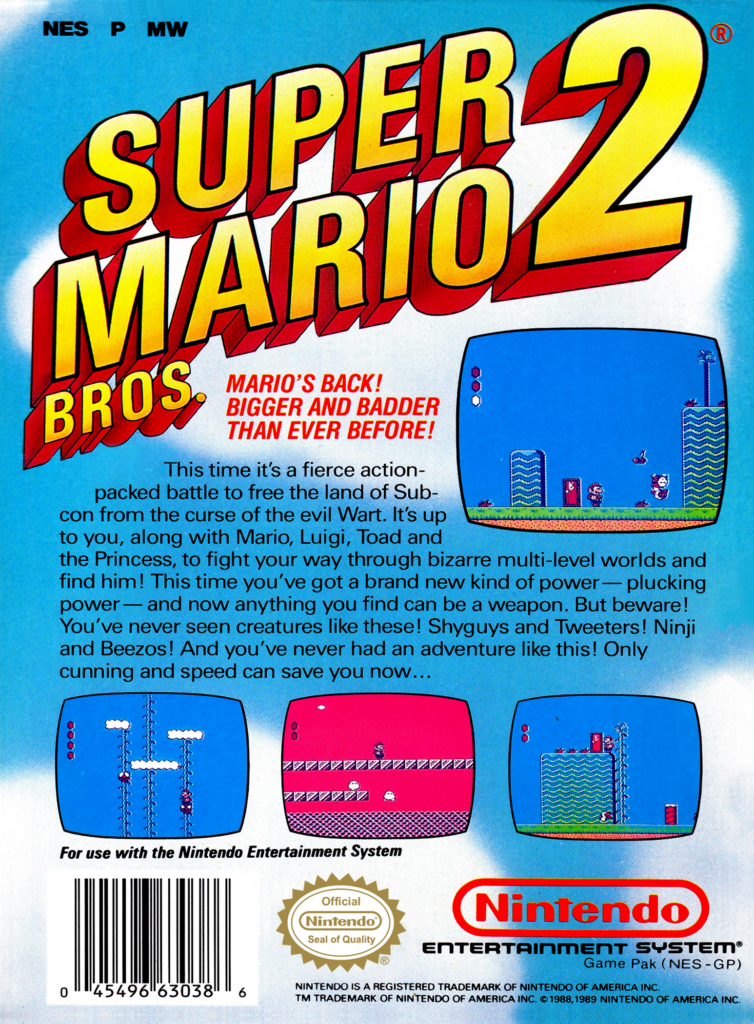
I remember that at some point in 1989 (or maybe it was 1988?), we had rented Super Mario Bros. 2 with some friends and, sitting on the floor in front of a CRT TV, we stared surprised at a game that looked good, that was fun, but at the same time was extremely different from the classic Super Mario Bros.Little did we know at 6 years old that this was not the Super Mario Bros. 2 as it had been conceived in Japan but a Western variant requested exclusively by Nintendo of America, a request that made a lot of sense all things considered.
To understand the reason for the change it is necessary to mention that the original Japanese game looked exactly the same as the first Super Mario Bros.the only major difference was that the levels had become radically more difficult. Nintendo of America considered that, particularly in the United States, no one was going to buy a game so identical to a previous version and even less if it was even more difficult to play, keep in mind that games in those years were 100% aimed at a children's audience.
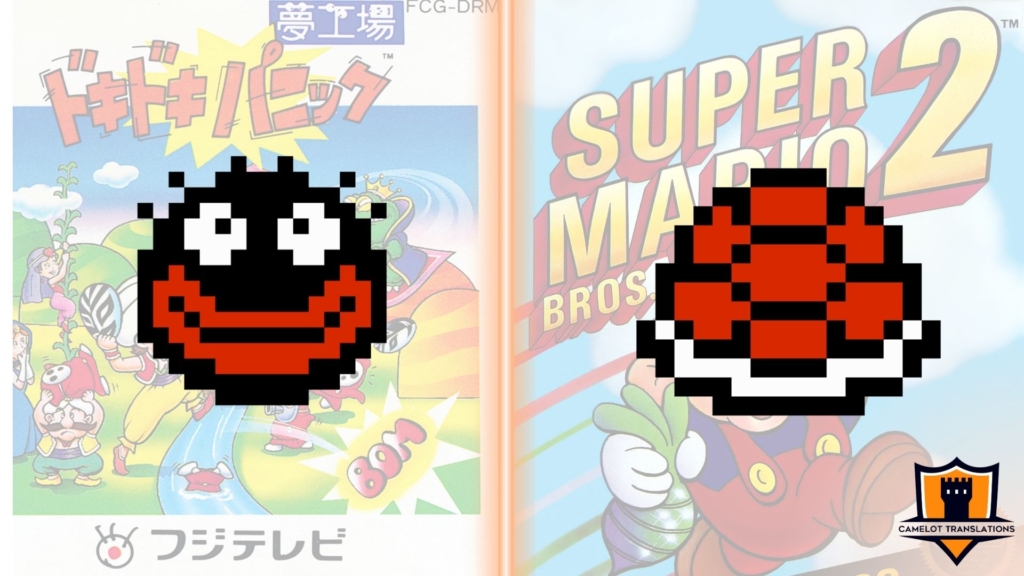
This is how Nintendo's Japanese subsidiary decided to use a game that it already had in development for its Famicom Disk system (an expansion to the Family Computer Disk console that used diskettes). That game was Doki Doki Panic and had as protagonists the Imajin family, none other than the mascots of the Fuji Television network. The game was designed as a kind of advertising campaign for a television event. Nintendo, then, decided to change the designs of the game's characters and turned Imajin, Mama, Lina and Papa into Mario, Luigi, Peach and Toad creating our version of as Super Mario Bros. 2.
Mutating to Mario
Since they are conceptually very different games, not only did the designs of the main characters have to be changed, but the localization also reached other elements of the title such as the items, the sound and music selection and some animations.
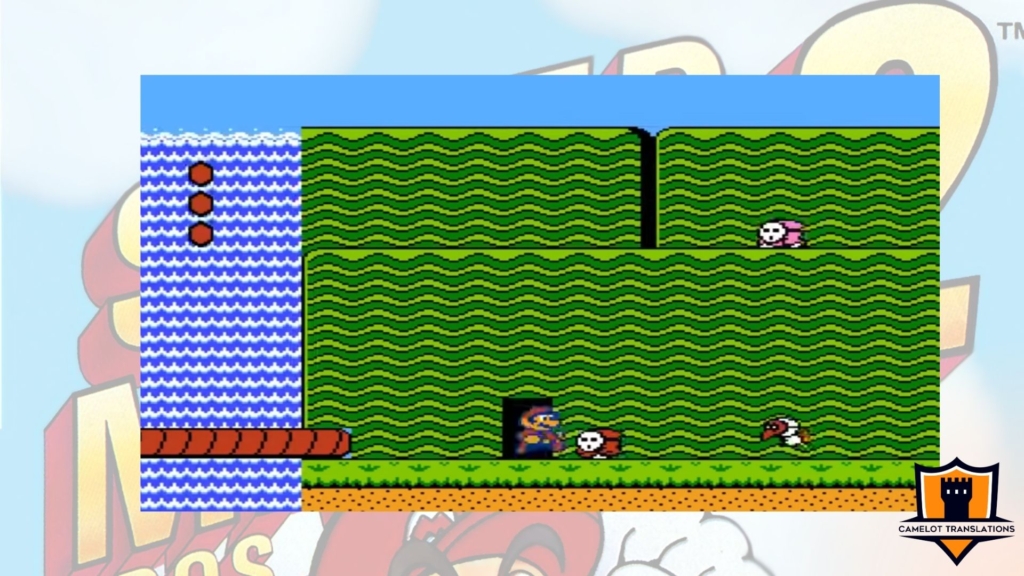
The work in Super Mario Bros 2 seems to have been much more meticulous given the importance that the IP had and that would translate into better animations in elements such as grass or the cherries that could be collected.
On the other hand, although the enemies in most cases are still those of Doki Doki Panic, some Mario elements were added to replace the sprites of the Japanese game. For example, the heart that granted vitality points in the original game was replaced by the well-known mushroom for the same function in Super Mario Bros. 2.
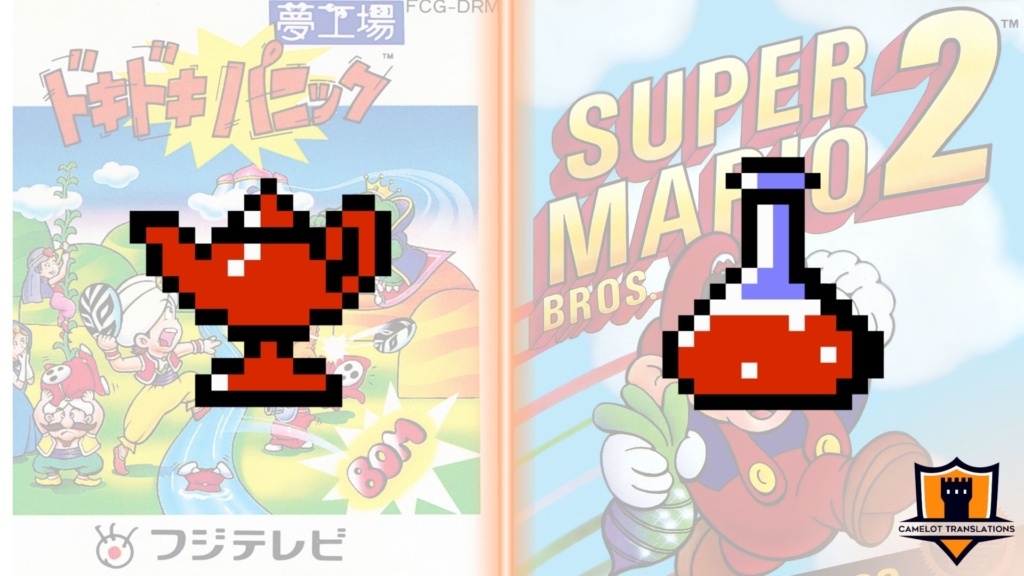
A magic lamp that opens the door to another dimension in the original version became a potion that fulfills the same function in the Western title.
The music, which is another of the most recognizable elements of Mario, was also added to the localized version replacing the melodies of the Doki Doki Panic..
As far as gameplay is concerned, there were also changes. In Doki Doki Panic players had to finish the levels with each one of the characters, something that was changed in Super Mario Bros. 2 to avoid unnecessary repetition.
The Japanese title also allowed to save the game and had unlimited continuations, two elements that were removed in Super Mario Bros 2.
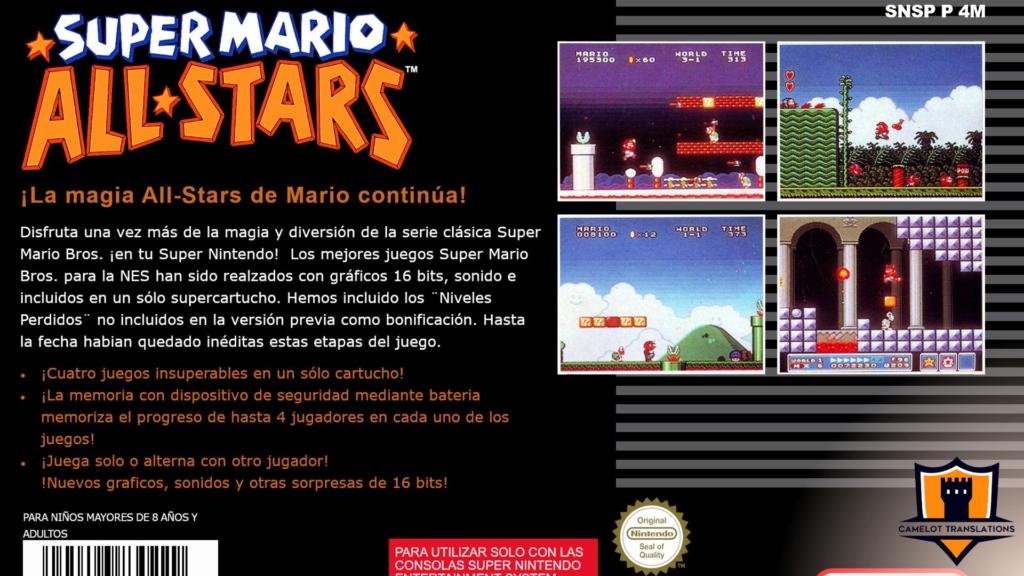
Super Mario Bros 2 remained as the best-selling NES title for more than a year in the United States and, curiously, this localized version returned to be sold in Japan now not in diskette format but in a traditional cartridge, where it is known as Super Mario USA a good name considering Super Mario Bros 2, in those latitudes, is another game. Coincidentally, that other game would also be marketed years later in the United States, in a different generation of consoles. The game would be released for the Super Nintendo within a compilation title with four remastered Mario games, including the Super Japanese Mario Bros 2 that would be renamed as Super Mario Bros: The lost levels.
In more modern times, Nintendo would again make a remaster of the game for its Nintendo 3DS portable console.